
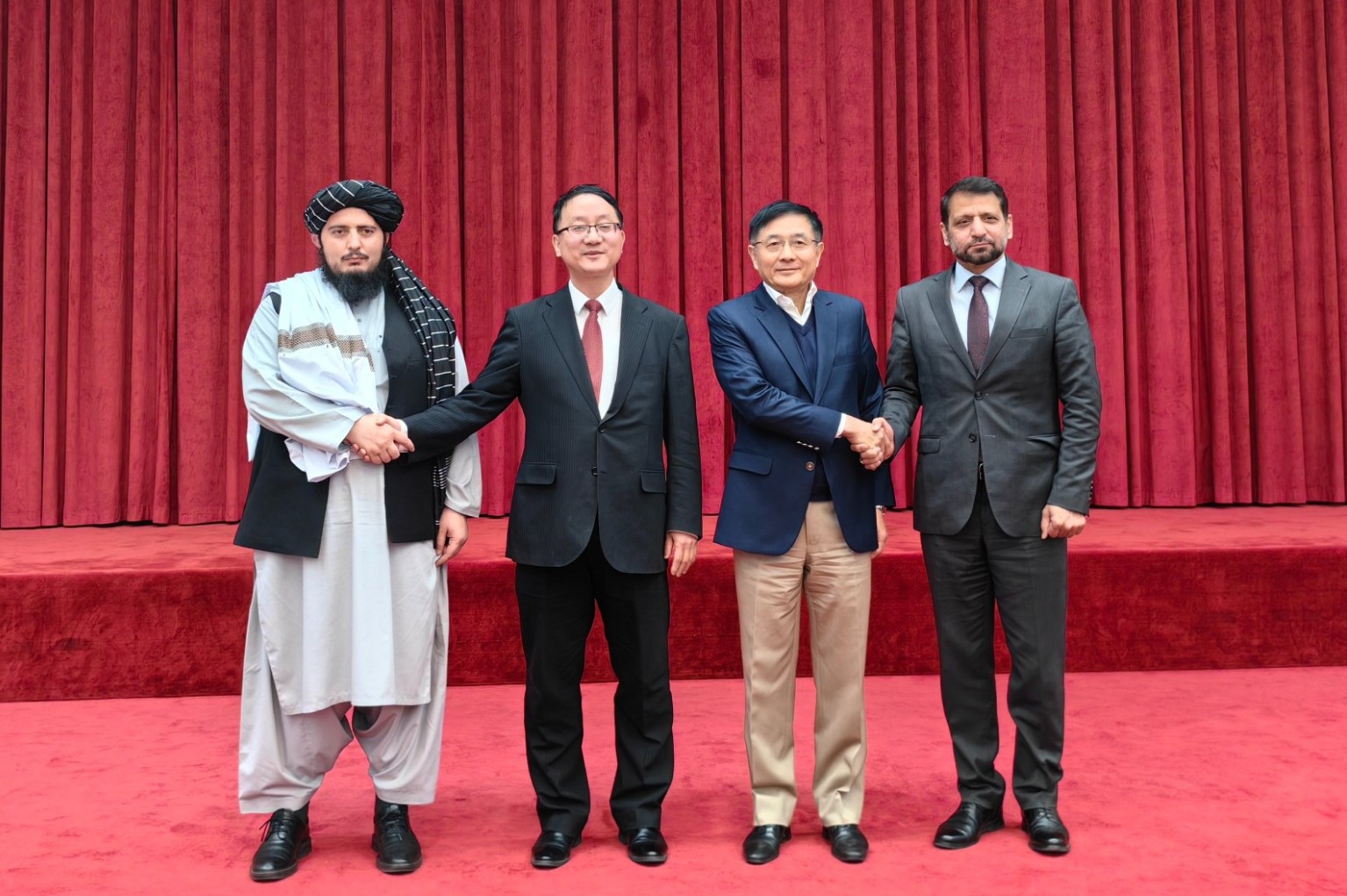
ISLAMABAD (MNN); Pakistan and Afghanistan have agreed to avoid further escalation in their ongoing conflict following a week of informal talks hosted by China, signaling a cautious step toward easing tensions.

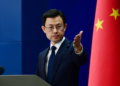
According to Chinese Foreign Ministry spokesperson Mao Ning, representatives from China, Pakistan, and Afghanistan held discussions in Urumqi, Xinjiang, from April 1 to 7. She stated that the meetings were conducted in a “positive atmosphere,” with all sides engaging in frank and pragmatic dialogue.
During the talks, both Pakistan and Afghanistan reaffirmed their commitment to resolving differences at the earliest and restoring normal bilateral relations. They also agreed to refrain from actions that could further escalate or complicate the situation.
Despite the development, Pakistan’s Foreign Office has not issued an official statement and declined to comment when approached.
Diplomatic engagement between Islamabad and Kabul had largely stalled after Pakistan launched Operation Ghazab lil-Haq against militant hideouts in Afghanistan in late February. The recent talks were held under a trilateral framework amid heightened tensions following cross-border security incidents.
Earlier, Foreign Office spokesperson Tahir Andrabi had stated that while Pakistan remains open to dialogue, Afghanistan must demonstrate “visible and verifiable actions” against militant groups.
He emphasized that Pakistan’s participation in the China-hosted talks reflects its consistent policy of supporting credible efforts aimed at achieving a durable solution to cross-border terrorism. However, he noted that the responsibility for meaningful progress lies with Afghanistan, which must act against groups using its territory to launch attacks on Pakistan.
Tensions between the two countries have persisted since the Afghan Taliban returned to power in 2021, with Pakistan repeatedly urging Kabul to dismantle terrorist sanctuaries, particularly those linked to the banned Tehreek-e-Taliban Pakistan (TTP).
Operation Ghazab lil-Haq was launched on February 26 following what Pakistan described as unprovoked firing from across the border. A temporary five-day pause in operations was observed during Eidul Fitr from March 18 to 23, though officials indicated that the operation would continue until its objectives are met.
Both sides have also acknowledged mediation efforts by Saudi Arabia, Qatar, and Turkiye, which contributed to temporary de-escalation.
Earlier, Chief of Army Staff Asim Munir had stated that lasting peace between Pakistan and Afghanistan would only be possible if the Taliban authorities renounce support for militant groups.
The latest talks in China reflect renewed diplomatic efforts to manage tensions, though significant challenges remain in achieving lasting peace between the two neighboring countries.