
BEIJING, (Xinhua) — China’s government-backed trade-in program generated more than 2.6 trillion yuan (approximately 369.9 billion U.S. dollars) in consumer goods sales in 2025, benefiting over 360 million people, according to data released by the Ministry of Commerce.

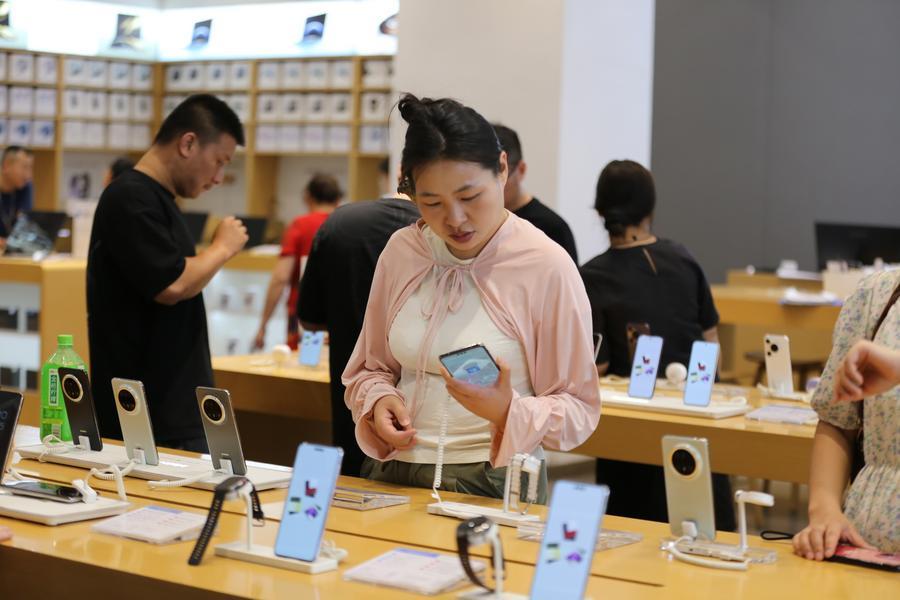
Under the program, consumers purchased 11.5 million automobiles, 129 million home appliances, 91 million digital products, 120 million home decoration, kitchen and bathroom items, and 12.5 million electric bicycles throughout the year. Retail sales of consumer goods rose 4 percent year on year in the first 11 months of 2025, with the trade-in initiative contributing more than one percentage point to overall growth, the ministry said. The program also accelerated industrial upgrading and the green transition. New energy vehicles accounted for nearly 60 percent of automobile trade-ins, pushing the retail market share of new energy passenger vehicles above 50 percent for nine consecutive months.
In 2025, the volume of scrapped automobiles increased 24.5 percent year on year, enabling the recycling of about 9.6 million tonnes of steel and 1.3 million tonnes of non-ferrous metals, while reducing carbon emissions by an estimated 24.5 million tonnes. Since the program’s launch in September 2024, more than 480 million subsidies have been issued directly to consumers, promoting the adoption of green, low-carbon and smart products, the ministry noted.
Chinese authorities announced last month that the trade-in subsidy program will be extended into 2026 as part of broader efforts to boost consumption, with 62.5 billion yuan in ultra-long special treasury bond funds allocated in advance to support this year’s implementation.
Expanding domestic demand remains China’s top economic priority in 2026, according to the recent Central Economic Work Conference, which also outlined plans to roll out consumption-boosting campaigns and increase incomes for both urban and rural residents.