
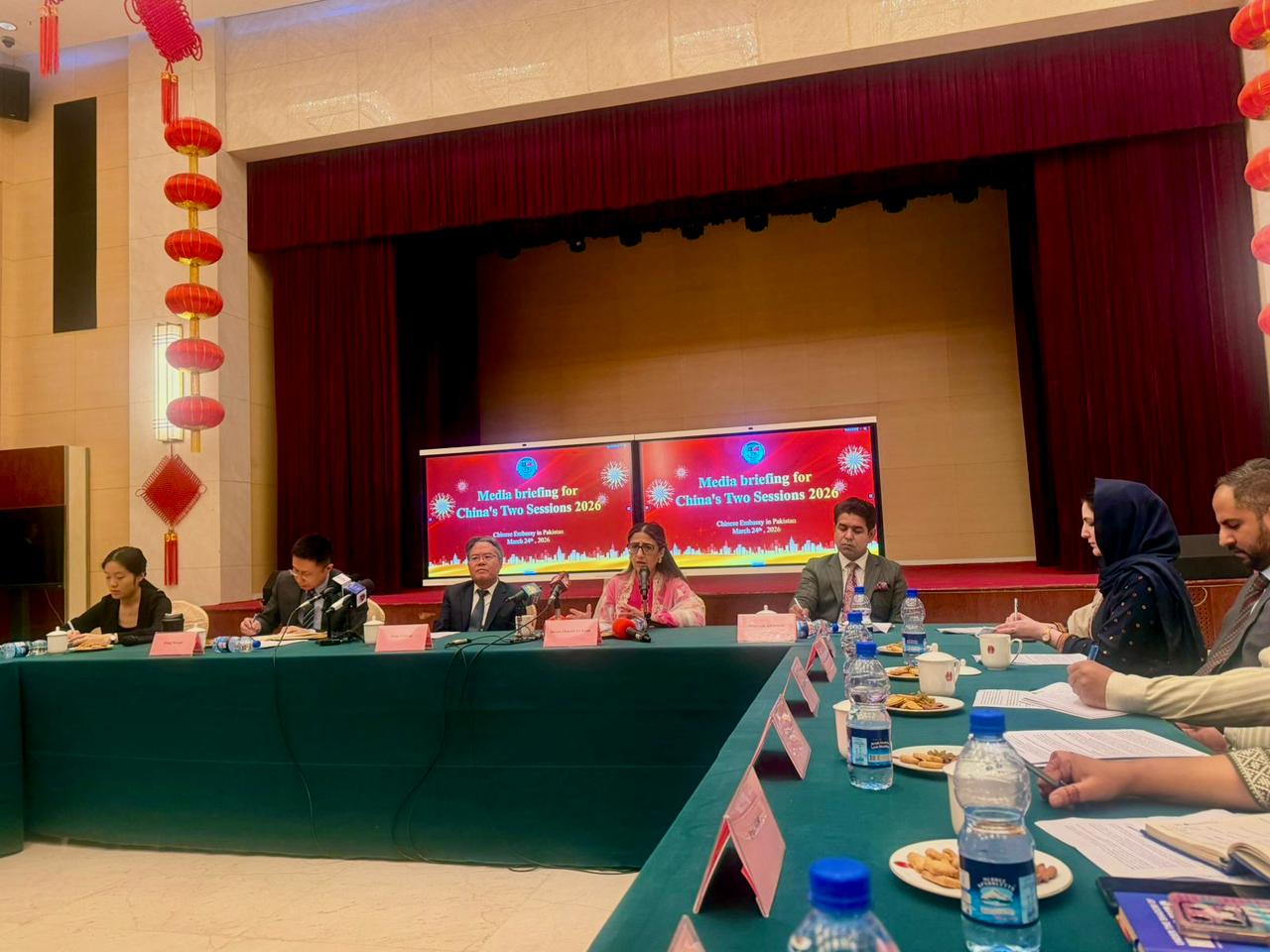
Islamabad: Chinese Ambassador to Pakistan Jiang Zaidong has said that the successful conclusion of China’s “Two Sessions” and the release of the outline of the 15th Five-Year Plan signal confidence, stability, and sustained economic growth, sending a clear and positive message to the international community.

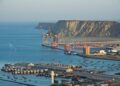
Highlighting China’s cooperation with Pakistan, he noted that over the past two years, China has distributed 70,000 health kits to children in Balochistan, covering 23 districts and benefiting 766 schools. Last year, Chinese doctors successfully performed surgeries on eight children suffering from congenital heart disease. In the first two months of this year, the China-aided China-Pakistan Friendship Hospital in Gwadar treated 48,656 patients, with more than 1,000 patients receiving free diagnosis and treatment daily. This year, China plans to distribute over 80,000 pieces of medical equipment and supplies to 100 maternal and child health facilities, benefiting an estimated 6 million people.
The ambassador emphasized that China continues to serve as a key engine of global economic growth, contributing around 30% to the world economy. In 2025, China’s GDP surpassed $20 trillion, and the country has set a growth target of 4.5% to 5% for 2026, reinforcing its role as a stabilizing force in an evolving global landscape.
He highlighted China’s focus on innovation-driven development, noting that research and development expenditure exceeded $522.8 billion in 2025. Under the new plan, R&D spending is expected to grow by more than 7% annually, with increased emphasis on artificial intelligence, digital industries, and smart manufacturing.
The ambassador pointed out that China is advancing rapidly in key sectors, including 5G technology and new energy vehicles. China has built the world’s largest 5G network, with over 3.5 million base stations, while production and sales of new energy vehicles exceeded 12 million units in 2025, maintaining global leadership. He added that Chinese companies are actively exploring opportunities in Pakistan, particularly in 5G infrastructure and emerging technologies.
On trade and openness, he said China remains the world’s largest trading nation, with total imports and exports reaching $6.24 trillion in 2025. The country continues to attract foreign investment, particularly in high-tech sectors, while initiatives like the Belt and Road Initiative have generated extensive global cooperation, infrastructure development, and employment opportunities.
Ambassador Jiang also underscored China’s commitment to green development, noting that renewable energy capacity has exceeded 1.6 billion kilowatts, accounting for more than half of total installed power. He said China has made significant progress in reducing carbon emissions and promoting sustainable growth, positioning itself as a leader in global climate efforts.
He further highlighted China’s global initiatives aimed at promoting peace, cultural exchange, and inclusive governance. He said the Global Security Initiative (GSI) has received support from over 130 countries and international and regional organizations and has been incorporated into more than 140 bilateral and multilateral documents. The initiative promotes a new approach to security based on dialogue over confrontation, partnership over alliances, and win-win cooperation instead of zero-sum competition.
Referring to the Global Civilization Initiative (GCI), the ambassador noted that China has signed cultural cooperation agreements with over 150 countries, organized events such as “Culture Year” and “Tourism Year,” and facilitated the exchange of more than 300,000 students annually to promote mutual understanding.
He also mentioned the Global Governance Initiative (GGI), which has been welcomed by over 150 countries and international organizations. He added that the “Group of Friends of Global Governance,” including Pakistan, has been established in New York to enhance the representation of Global South countries in international institutions and promote a more equitable international order. He expressed appreciation for the role of the Prime Minister of Pakistan in promoting global governance and peace, acknowledging his effective contributions on the international stage.
The ambassador reaffirmed that Pakistan and China remain all-weather strategic cooperative partners. He noted that the 75th anniversary of diplomatic relations this year, along with the launch of China’s 15th Five-Year Plan and Pakistan’s “Uraan Pakistan” initiative, presents new opportunities to deepen bilateral cooperation and align development strategies.
Chief guest Shezra Mansab Ali Khan Kharal, Minister of State for Climate Change, also highlighted the significance of Pakistan-China relations and appreciated the ongoing cooperation under the China-Pakistan Economic Corridor (CPEC), terming it vital for sustainable development and economic growth. She also appreciated China’s Global Governance Initiative, acknowledging its role in promoting a more inclusive and balanced international system.
Meanwhile, Press Counsellor Wang Shangjie said that Pakistan-China relations are entering a new phase of high-quality development. He emphasized the importance of advancing cooperation under the China-Pakistan Economic Corridor (CPEC) 2.0 framework, focusing on growth, livelihoods, innovation, green development, and openness.
He added that enhanced collaboration between the two countries will further strengthen regional connectivity and elevate the China-Pakistan community with a shared future to new heights.