
China plans to establish a nationwide “eco-police” system to strengthen enforcement, prevention and governance of environmental and resource-related violations, according to a guideline jointly released by 10 central departments, including the Ministry of Public Security, the National Development and Reform Commission, the Ministry of Justice, the Ministry of Natural Resources and the Ministry of Ecology and Environment.

The mechanism, led by public security authorities and coordination across relevant departments, is expected to take shape by 2027 and develop into a fully standardized, systematic and efficient framework by 2035.
The guideline outlines four main priorities: intensifying criminal enforcement, enhancing preventive measures, advancing comprehensive ecological governance and promoting ecological value transformation. It calls for strict legal action against major offenses such as environmental pollution, illegal wildlife trade, damage to ancient or protected trees, illegal fishing and mining, sand dredging, and unauthorized occupation of agricultural land.
Recognizing that such crimes are increasingly professionalized, gang-operated and cross-regional, the document urges improvements in case supervision, joint operations and coordinated information-sharing to enable precise and effective crackdowns.
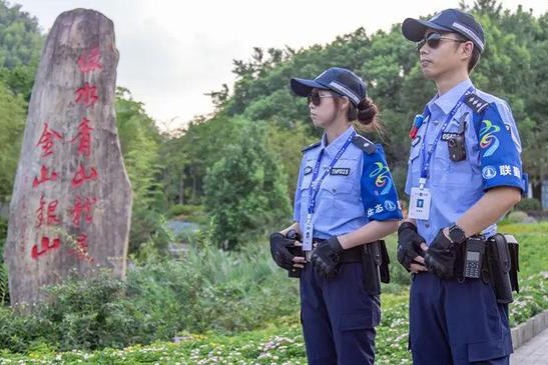
Local governments are encouraged to consider appointing river, lake, forest or ecological police chiefs based on local conditions to strengthen preventive efforts. In areas with significant ecological protection responsibilities or high levels of environmental crime, authorities may establish eco-police joint duty centers or stations to integrate law enforcement with grassroots governance.
Departments are required to promptly report identified risks or hidden hazards to support early intervention and close regulatory loopholes. The guideline also emphasizes balancing protection with restoration, encouraging offenders to participate in ecological rehabilitation as part of case handling.
To promote ecological value transformation, the document calls for aligning criminal enforcement with ecological governance and green industrial development to boost economic competitiveness and enhance the value of ecological products. It also mandates stringent protection of enterprises’ legitimate rights and interests, along with tougher action against counterfeiting involving high-quality agricultural and geographical indication products.
Additionally, the guideline sets requirements for improving organizational coordination, policy implementation, interdepartmental cooperation and cross-regional collaboration. It highlights the need for stronger teams, digital and intelligent support systems, legal safeguards and infrastructure, underscoring the importance of maximizing synergy across all participating agencies to achieve effective environmental protection outcomes.