
ISLAMABAD: China and Pakistan have strengthened collaboration in livestock technology and agricultural research by signing new agreements during a recent visit by a Chinese delegation, as both countries advance cooperation under the second phase of the China-Pakistan Economic Corridor (CPEC).

According to Radio Pakistan, the agreements were signed during a visit by representatives of Jinan Animal Husbandry Industry Craftsman College, who traveled to Pakistan from January 19 to 24 following the 2026 China-Pakistan Agriculture Investment Conference. Several cooperation documents were finalized during the visit.Launched in 2015 under China’s Belt and Road Initiative, CPEC initially focused on large-scale infrastructure projects such as highways, energy plants and the development of Gwadar port.
The corridor has now entered what officials describe as “CPEC 2.0,” a phase aimed at promoting industrial collaboration, agricultural modernization, technology transfer and private-sector partnerships.Agriculture and livestock remain key pillars of Pakistan’s rural economy, employing millions and contributing substantially to national output.
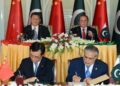
The expansion of technical cooperation in breeding, veterinary sciences and value-added production is viewed as part of broader efforts to diversify bilateral economic ties beyond infrastructure development. During the visit, two major cooperation documents were signed.
A Framework Agreement on Industrial and Technological Cooperation and Talent Training was concluded with the Pak-China Joint Chamber of Commerce and Industry (PCJCCI) to establish a China-Pakistan Animal Husbandry and Veterinary Industry Technology Cooperation Center. The proposed center will focus on research and development, standard-setting and specialized training programs.
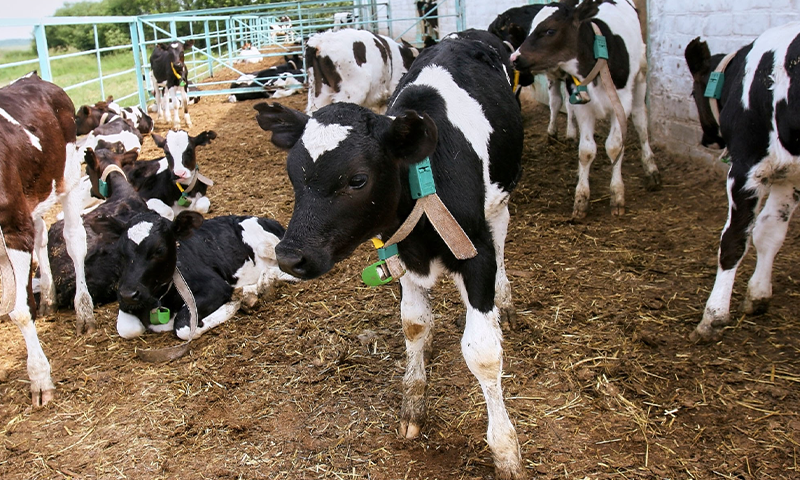
Separately, a Memorandum of Understanding was signed with GO DAIRY Private Limited to facilitate the transfer of sheep in vitro fertilization technology and advanced dairy cow breeding techniques, along with technical guidance to address production challenges.
Radio Pakistan also reported that an understanding was reached with the University of Veterinary and Animal Sciences (UVAS) to collaborate on curriculum development and set up a joint training base.
Experts from both countries will prioritize cooperation in three key areas — Himalayan pink salt applications, sheep in vitro fertilization and dairy cow breeding — and plan to establish a joint laboratory to support the localization of livestock technologies in Pakistan.