
China’s shift toward green and low-carbon energy advanced at an unprecedented pace during the 14th Five-Year Plan period (2021–2025), according to Wang Hongzhi, head of the National Energy Administration (NEA).

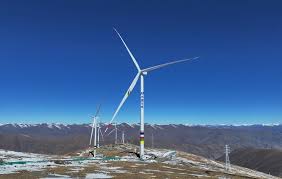
Green electricity accounted for one-third of the country’s total power consumption, driven by continuous increases in renewable energy supply. China has built the world’s largest and fastest-growing renewable energy system, with the share of renewable installed capacity rising from 40 percent to about 60 percent between 2021 and 2025.
Wind and solar power remained the backbone of this expansion. Li Chuangjun, director of the NEA’s new energy and renewable energy department, said China’s combined wind and solar installed capacity jumped from 530 million kilowatts in 2020 to 1.68 billion kilowatts by July 2025, averaging 28 percent annual growth. Their contribution to overall electricity consumption grew from 9.7 percent in 2020 to 18.6 percent in 2024, increasing by more than 2 percentage points each year.
China also led globally in new energy technologies during the period, holding more than 40 percent of the world’s new energy patents. By mid-2025, the country’s new-type energy storage capacity had reached nearly 95 million kilowatts—almost 30 times higher than five years ago—ranking first worldwide.
In 2024, China produced and consumed over 36 million tonnes of hydrogen, maintaining its global lead, with more than half of global renewable-based hydrogen production capacity located in the country.
Looking toward the 15th Five-Year Plan (2026–2030), Yang Kun, executive vice chairman of the China Electricity Council, said priorities should include ensuring efficient use of both new and existing renewable energy projects, expanding diversified non-electric applications such as green hydrogen and renewable heating, and accelerating breakthroughs in integrated energy technologies.