
ISLAMABAD: When Pakistan faced a severe electricity crisis in the early 2010s, the challenge was not only about generating more power but also about strengthening the country’s technical capacity to operate and manage large-scale energy infrastructure.

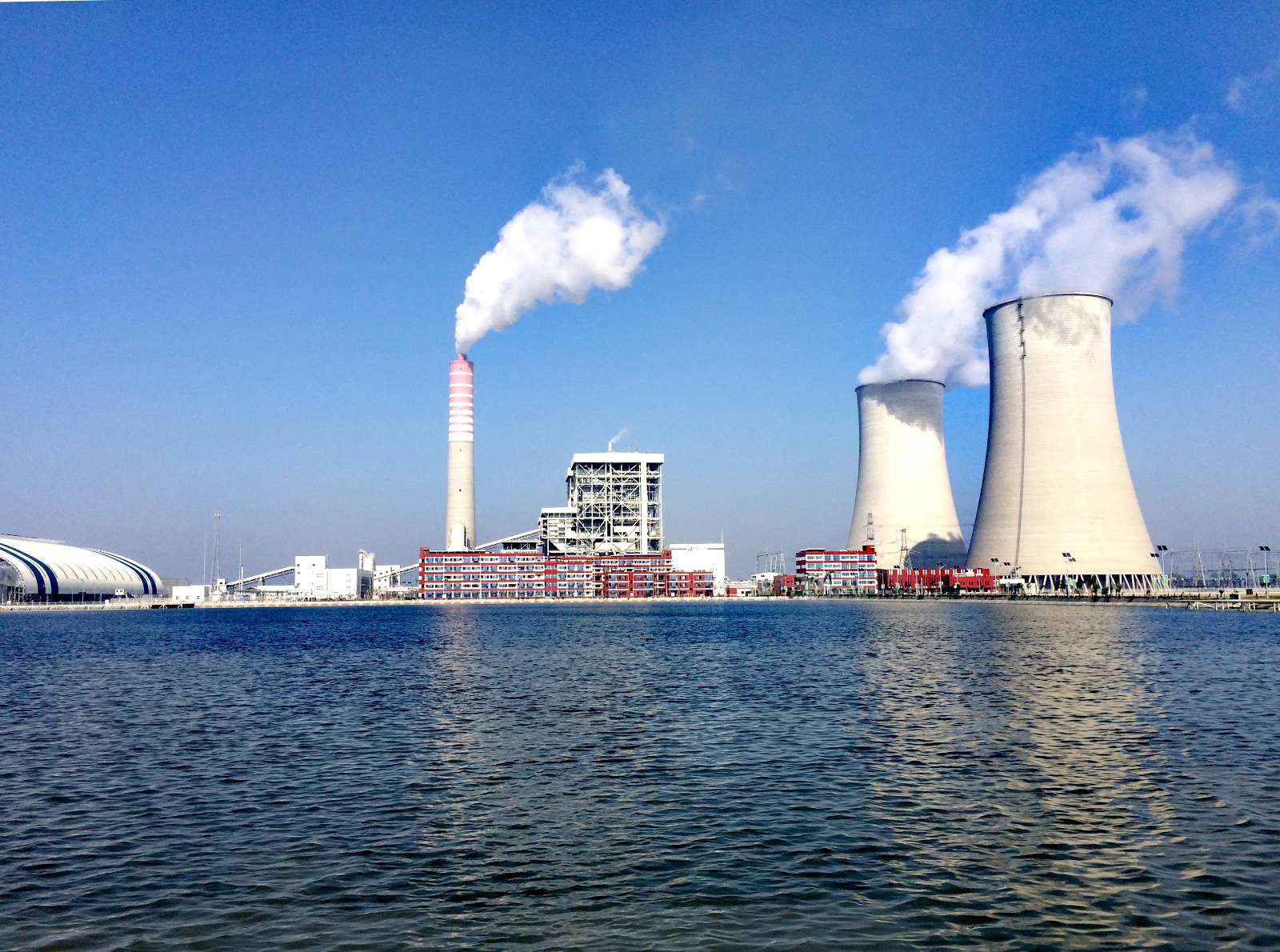
Among the projects launched to address this challenge, the Sahiwal Coal Power Plant in Punjab stands out not only for its 1,320-megawatt electricity generation capacity but also for its contribution to human capital development in Pakistan’s power sector. Beyond turbines, boilers, and transmission lines, the plant has played a crucial role in helping build a new generation of Pakistani engineers who are gaining valuable experience in advanced power plant operations.
A unique and often overlooked aspect of the Sahiwal power project was its strong emphasis on training Pakistani engineers from the very beginning. Before the plant even became operational, more than 180 Pakistani engineers were sent to China to receive specialized training at some of the most advanced coal-fired power plants in the world. These engineers were selected from different technical disciplines and given the opportunity to study modern power plant technologies, operational procedures, safety systems, and management practices in a real industrial environment.
During their time in China, these engineers were exposed to state-of-the-art supercritical coal power plants that operate with highly advanced engineering systems. The training programs included practical learning about boiler operations, turbine management, power generation control systems, maintenance strategies, and environmental monitoring technologies. They also observed how large power plants are managed efficiently through modern digital monitoring systems and strict operational protocols.
This experience allowed the Pakistani engineers to gain direct exposure to global best practices in power generation. Instead of learning these technologies solely from textbooks, they were able to see how complex power plants function in real-world settings. They studied how engineers in China manage high-pressure boilers, operate advanced turbines, and maintain stable electricity generation while ensuring safety and environmental compliance.
In addition to technical training, the engineers also learned about plant management systems and operational planning. Large power plants require not only technical expertise but also strong management structures to ensure smooth daily operations. During their training in China, Pakistani engineers studied how different departments within a power plant coordinate their activities, how maintenance schedules are planned, and how operational challenges are handled efficiently.
This early investment in training proved extremely valuable when the Sahiwal power plant began its construction and commissioning phases. Engineers who had completed their training in China returned to Pakistan with practical knowledge and a deeper understanding of modern power generation systems. Many of them played an active role in the installation and testing of key equipment at the plant.
The Sahiwal power plant was developed under the China–Pakistan Economic Corridor initiative and is owned and operated by Huaneng Shandong Ruyi (Pakistan) Energy Private Limited, a Chinese company affiliated with China Huaneng Group. From the beginning of the project, Chinese engineers and technical specialists were heavily involved in construction, equipment installation, and operational planning. Pakistani engineers worked closely with these Chinese professionals, creating an environment where knowledge transfer became an important part of the project.
The collaboration between Pakistani and Chinese engineers continued throughout the commissioning process. Pakistani engineers who had received training in China were already familiar with many of the technologies used at the Sahiwal facility. This allowed them to actively participate in technical discussions, equipment testing, and troubleshooting activities alongside Chinese specialists.
Working together on a daily basis, Pakistani engineers gained deeper insights into the operational details of a modern supercritical power plant. They learned how boilers operate under extremely high temperatures and pressures, how turbines convert steam energy into electricity, and how control systems regulate the entire power generation process.Modern power plants rely heavily on digital monitoring systems that track thousands of operational parameters in real time. Engineers at the Sahiwal plant learned how to interpret this data and use it to maintain stable and efficient plant operations. These systems monitor variables such as steam pressure, turbine speed, fuel consumption, and electricity output, allowing engineers to detect potential problems before they become serious issues.
As the plant moved closer to full commercial operation, Pakistani engineers gradually began taking on greater responsibilities. Initially working under the supervision of Chinese specialists, they were eventually entrusted with managing key sections of the plant. This gradual transfer of responsibility ensured that local engineers developed the confidence and technical expertise needed to operate the facility effectively.
Today, many of the engineers who were sent to China for training have become experienced professionals within the plant’s operational structure. They are responsible for supervising plant operations, monitoring equipment performance, coordinating maintenance activities, and ensuring that the plant continues to operate safely and efficiently.
Safety training has also been an essential part of the professional development process at the plant.Large-scale power generation facilities involve complex equipment and high operational risks if proper safety procedures are not followed. Chinese safety experts introduced strict safety standards and training programs that Pakistani engineers and technicians were required to follow.
Through regular drills and workshops, engineers learned how to identify potential hazards, respond to emergencies, and maintain safe working conditions. This emphasis on safety has helped create a strong safety culture within the plant’s workforce.
Environmental monitoring has become another important area of learning for engineers working at the facility. Modern coal power plants are equipped with systems designed to control emissions and ensure compliance with environmental regulations. Engineers at the Sahiwal plant are trained to operate these systems and monitor emission levels carefully.By gaining experience with these technologies, Pakistani engineers are learning how modern power plants balance energy production with environmental responsibility. This knowledge is increasingly valuable as countries around the world focus on improving the environmental performance of their energy infrastructure.
The impact of the Sahiwal project extends beyond the engineers who work directly at the plant. Many of the professionals trained through the project now possess expertise in modern power generation technologies that can benefit Pakistan’s broader energy sector. Their experience strengthens the technical capabilities of the country’s power industry as a whole.
The plant also continues to serve as a training ground for new engineers entering the workforce. Fresh graduates join the facility each year and begin structured training programs designed to prepare them for operational roles. Senior Pakistani engineers who once received training in China now mentor these new recruits, sharing the knowledge and experience they gained during the early stages of the project.
This cycle of training and mentorship ensures that technical expertise continues to grow within the organization. Over time, the reliance on foreign specialists gradually decreases as local engineers gain the experience needed to manage the plant independently.
The Sahiwal power plant therefore represents more than just a large electricity generation facility. It has become a center for technical learning and professional development within Pakistan’s energy sector. By investing in the training of Pakistani engineers and facilitating close collaboration with experienced Chinese professionals, the project has helped create a highly skilled workforce capable of managing complex power generation systems.Infrastructure projects are often evaluated based on their immediate outputs, such as electricity generation or economic benefits. However, their long-term value can also be measured by the skills and expertise they help develop among local professionals.
The engineers who began their journeys as trainees at the Sahiwal project are now emerging as experienced professionals capable of leading future energy projects in Pakistan. Their journey from training programs in China to operational leadership within one of Pakistan’s largest power plants demonstrates how international cooperation and knowledge transfer can play a powerful role in building the technical foundations needed for long-term national development