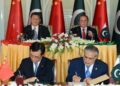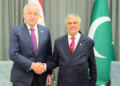

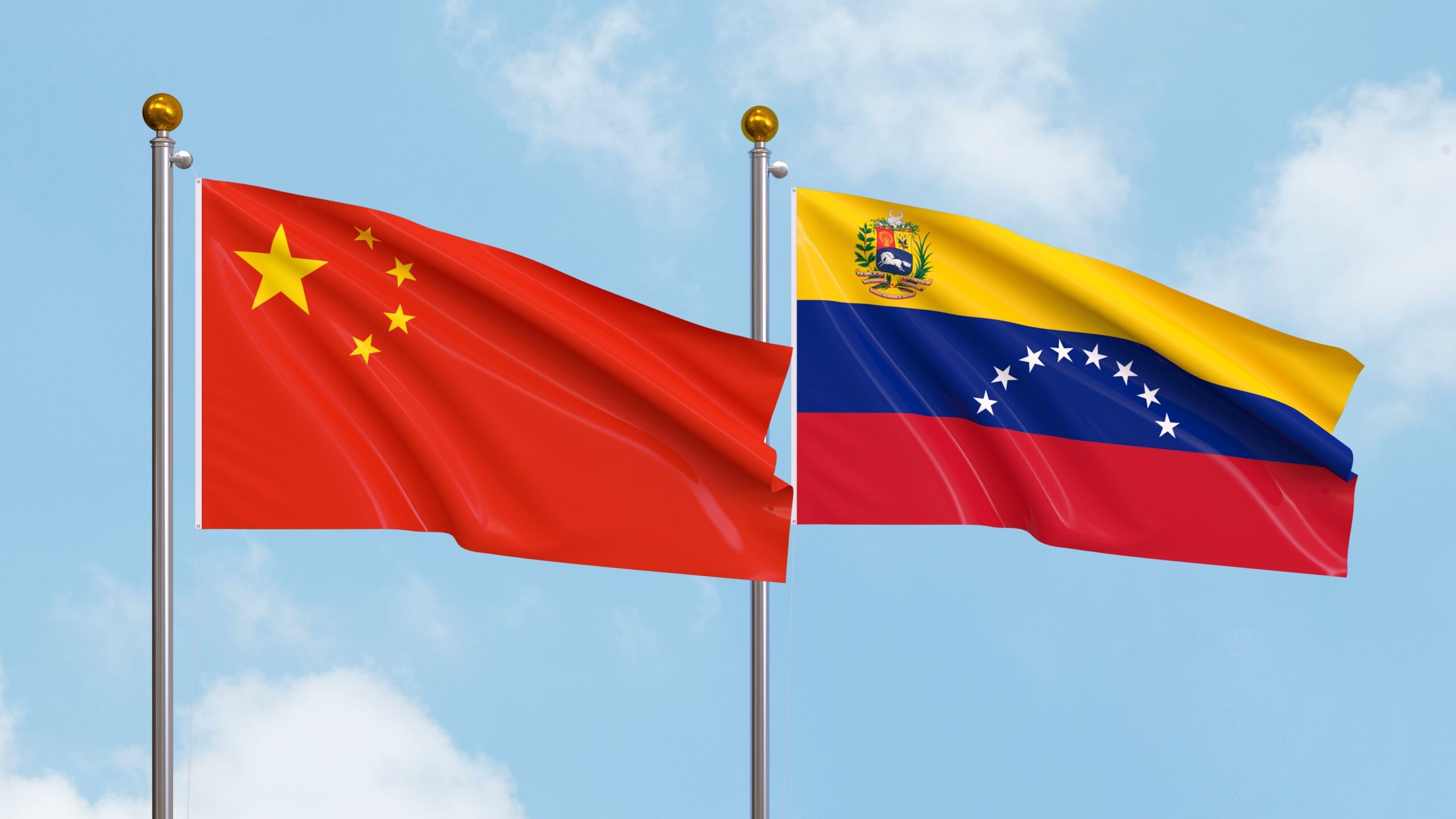
China has voiced strong support for Venezuela and condemned what it described as “unilateral bullying,” as the United States escalates pressure on the South American nation. Chinese Foreign Minister Wang Yi made the remarks during a phone call on Wednesday with his Venezuelan counterpart, Yvan Gil. According to a statement from China’s foreign ministry, Wang said China and Venezuela are strategic partners with a long-standing tradition of mutual trust and support.

“China believes the international community understands and supports Venezuela’s position in defending its legitimate rights and interests,” Wang said, adding that Beijing opposes unilateral actions that undermine national sovereignty.
The comments come a day after US President Donald Trump ordered what he called a “total and complete blockade” of all sanctioned oil tankers entering or leaving Venezuela, in a move aimed at increasing pressure on President Nicolás Maduro’s government and cutting off its main source of revenue.
It remains unclear how Washington plans to enforce the blockade or whether the US Coast Guard will be used to intercept vessels, as it has done in recent operations. The Trump administration has already deployed thousands of troops and nearly a dozen warships, including an aircraft carrier, to the region.
Announcing the move on Truth Social, Trump said Venezuela’s government had been designated a “foreign terrorist organization,” citing alleged asset theft, terrorism, drug smuggling and human trafficking. He said the designation justified the blockade of sanctioned oil tankers.
Venezuela’s government rejected the announcement, describing it as a “grotesque threat.”
Global oil prices rose following the news. Brent crude futures climbed more than 1% in Asian trading to around $59.62 a barrel, while US West Texas Intermediate crude rose to about $56.00 a barrel. US crude futures had settled at their lowest level since February 2021 on Tuesday before rebounding after Trump’s statement.
Market participants said prices were reacting to the prospect of reduced Venezuelan oil exports, though uncertainty remains over how the blockade would be implemented and whether it would affect non-sanctioned vessels.
Legal experts have also raised concerns about the move. Elena Chachko, an international law scholar at UC Berkeley Law School, said while US presidents have broad authority to deploy forces abroad, the declaration of a blockade presents serious legal questions.
“Blockades have traditionally been treated as instruments of war, but only under strict conditions,” she said, adding that Trump’s order could face challenges under both US domestic law and international law.