
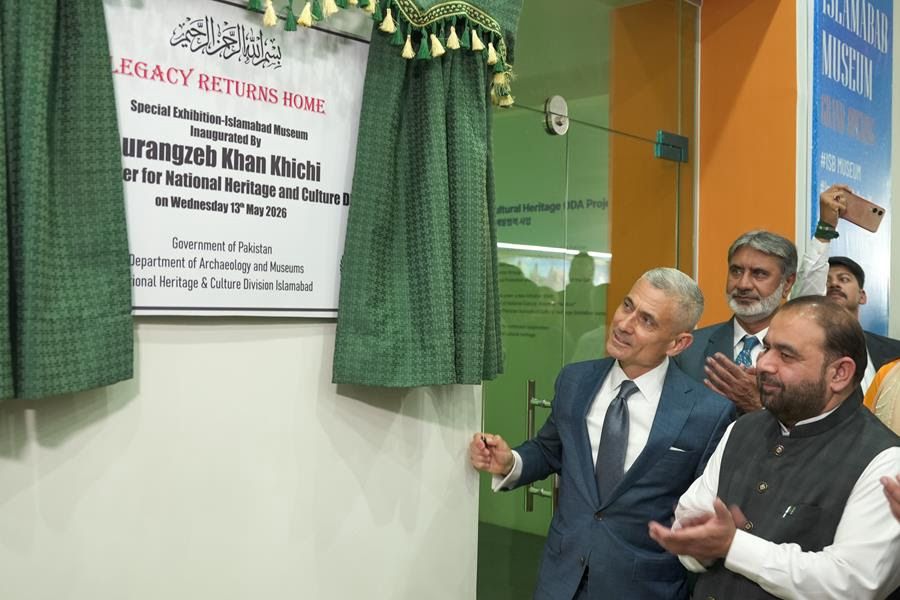
ISLAMABAD: The United States on Tuesday repatriated more than 450 antiquities valued at over $23 million to Pakistan during a ceremony titled “Legacy Returns Home” held at the Islamabad Museum.

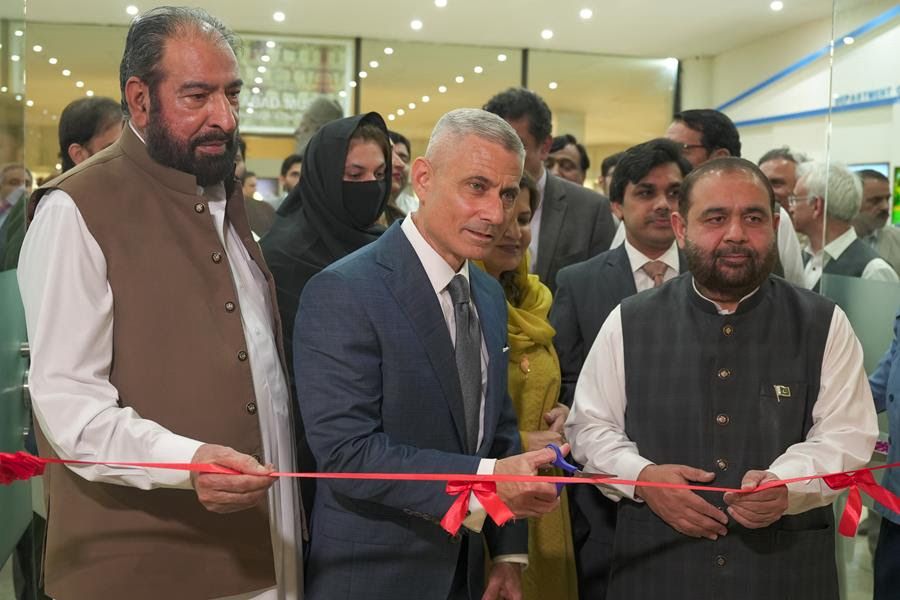
Speaking at the event, U.S. Assistant Secretary Paul Kapur said the return of the artifacts reflected the strong bilateral commitment between Pakistan and the United States to protecting cultural heritage and upholding the rule of law.
Addressing Federal Minister Aurangzeb Khan Khichi and other distinguished guests, Kapur said the recovered antiquities represented important chapters of Pakistan’s history and connected generations to their heritage.
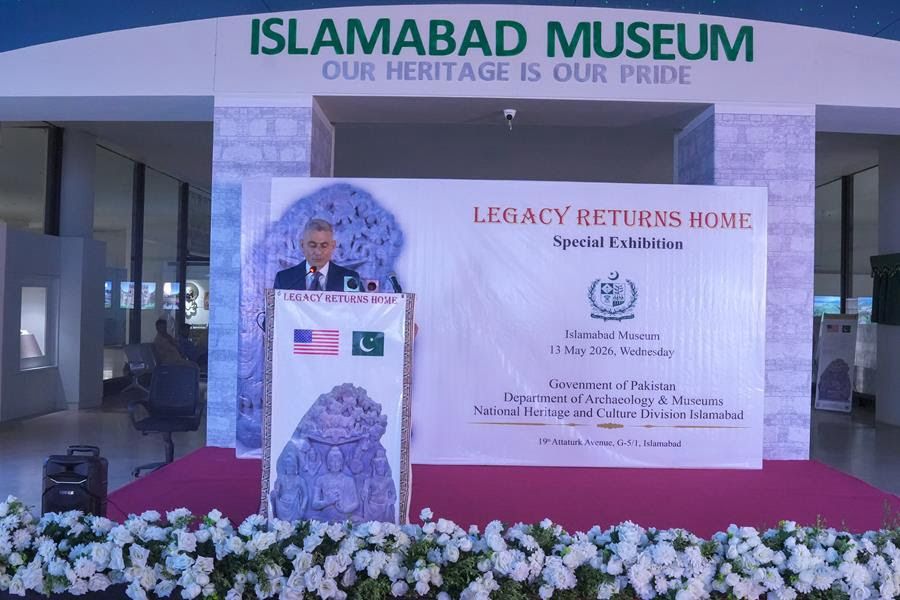
“Each of these objects tells a story. Each belongs to the people of Pakistan. And each now is home,” he remarked.
The repatriated collection includes terracotta figurines believed to be more than 4,000 years old, among the earliest known human-crafted representations from the region’s ancient settled communities.
Kapur said the recovery effort was made possible through the work of the Antiquities Trafficking Unit of the Manhattan District Attorney’s Office, with assistance from the U.S. Department of Homeland Security and Pakistani authorities.
He noted that the illicit trafficking of antiquities remained a multibillion-dollar global criminal enterprise that robbed nations of their history and identity while also fueling organized crime and extremist networks.
“No country can confront this challenge alone,” he said, stressing the importance of international cooperation among governments, law enforcement agencies, customs authorities, museums, and academic institutions.
Highlighting the role of border security, Kapur said the U.S. Department of Homeland Security and Customs and Border Protection worked to intercept trafficked cultural property before it entered the American market.
He also referred to the fully ratified U.S.-Pakistan Cultural Property Agreement, saying it would help prevent illegally exported artifacts from entering the U.S. art market while promoting ethical standards in the global antiquities trade.
According to Kapur, the agreement’s five-year action plan would facilitate museum exchanges, conservation training, and partnerships between universities and research institutions in both countries.
He reaffirmed Washington’s commitment to continuing cooperation with Pakistan to combat cultural property trafficking and preserve historical heritage for future generations.